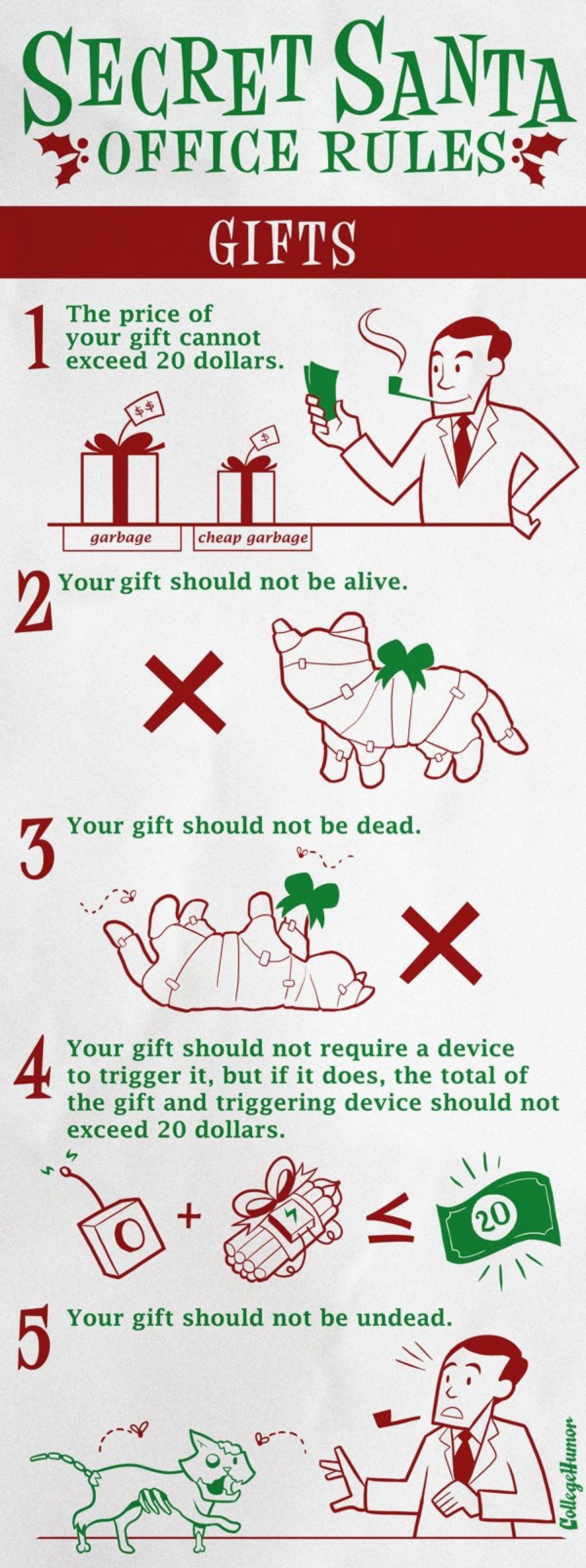
Ready to infuse your next gathering with an extra dash of holiday cheer, friendly competition, or simply good old-fashioned mystery? Secret Santa is the beloved tradition that transforms gift-giving into an exciting game. But beyond the simple idea of "buying a secret gift," lies a world of Secret Santa rules and variations that can elevate your event from standard to spectacular.
Whether you're planning for your office, family, or a group of friends, navigating the nuances of this classic game ensures fairness, fun, and genuine surprise. We’re here to demystify every aspect, from setting the perfect budget to orchestrating a virtual exchange, so you can host a memorable event with confidence.
At a Glance: Your Secret Santa Success Checklist
- Understand the Core: Randomly draw names, keep your identity secret, and adhere to a set budget.
- Embrace Etiquette: Be thoughtful, wrap well, and always attend the exchange.
- Organize Like a Pro: Plan 2-3 weeks ahead, set clear rules, and use online tools for ease.
- Go Virtual: Leverage digital platforms for drawing names and hosting remote reveals.
- Explore Variations: Choose from White Elephant, Yankee Swap, Themed, and more for different vibes.
- Troubleshoot: Prepare for common hiccups like dropouts or inappropriate gifts.
The Heart of the Mystery: Essential Secret Santa Rules
At its core, Secret Santa is elegantly simple: everyone receives a gift, and everyone gets to play the role of a secret benefactor. This tradition, sometimes known as Kris Kringle, thrives on anticipation and good sportsmanship. To ensure your game runs smoothly, here are the foundational rules everyone needs to know:
- Random Name Drawing: This is where the magic begins. Each participant draws the name of one other person from the group. You're now that person's Secret Santa. The goal is to ensure everyone gets a gift, and no one is left out.
- Secret Identity is Key: The most crucial rule! Do not reveal whose name you drew. Your identity as the gift-giver remains a secret until the moment of exchange, or even after the gift is opened, depending on your group's tradition. The surprise is half the fun!
- Budget Compliance: Before drawing names, the group must agree on a price range for gifts (e.g., $25-$40). This prevents anyone from feeling awkward with an over-the-top gift or disappointed by something too small. Sticking to the budget is a sign of respect for all participants.
- Universal Participation: If you draw a name, you are committed to buying a gift. Conversely, if you're participating, you're guaranteed to receive one. This ensures everyone experiences the joy of both giving and receiving.
- The Grand Gift Exchange Event: All gifts are exchanged at a pre-arranged gathering. This communal moment builds excitement as everyone unwraps their presents together, often leading to laughter and playful guesses.
- The Big Reveal (Optional Guessing Game): After gifts are opened, the fun often continues with a guessing game. Participants try to figure out who their Secret Santa was. This can be followed by a voluntary reveal, where people fess up to their gifting identities.
Playing Nice: Secret Santa Etiquette (Do's & Don'ts)
Rules set the framework, but etiquette ensures a truly enjoyable experience for everyone. Think of these as the unwritten guidelines that make Secret Santa a cherished tradition rather than a source of stress.
The Do's of Thoughtful Gifting
- Keep Your Assigned Person a Secret: We can't stress this enough! The entire premise relies on secrecy. Don't whisper, hint, or tell a trusted friend. Keep it under wraps until the designated reveal.
- Consider the Recipient's Interests: Take a moment to think about the person you're buying for. What are their hobbies? Favorite colors? Do they love coffee, books, gadgets, or experiences? A thoughtful gift, even a small one, means far more than an expensive one picked at random.
- Wrap Gifts Thoughtfully: A nicely wrapped gift adds to the presentation and excitement. It shows you put effort in, even before the present itself is revealed.
- Include a Gift Receipt (If Appropriate): For items like clothing, books, or electronics, including a gift receipt (without showing the price) can be a thoughtful gesture, allowing the recipient to exchange it if needed.
- Attend the Gift Exchange Event: Your presence is part of the fun. Don't drop out or send your gift with someone else if you can help it. The group dynamic makes the exchange special.
The Don'ts of Disappointing Surprises
- Don't Tell Others Who You Got: This breaks the spirit of the game and can spoil the surprise for others.
- Don't Buy Overly Personal or Intimate Gifts: Unless you know the person extremely well (and are absolutely certain it's appropriate), avoid gifts like lingerie, heavily scented perfumes, or anything that could be misinterpreted. Keep it generally light and suitable for most workplace or family dynamics.
- Don't Dramatically Exceed the Budget: While generosity is kind, going significantly over budget can make other participants feel awkward or inadequate. Stick to the agreed-upon range.
- Don't Give Potentially Offensive Joke Gifts: What's funny to you might be offensive to someone else. Avoid gag gifts that could embarrass or upset the recipient, especially in a professional or mixed-group setting.
- Don't Drop Out After Drawing a Name: This leaves someone without a gift and puts the organizer in a tough spot. Commit to participating once your name is in the hat.
Mastering the Game: Your Step-by-Step Guide to Organizing Secret Santa
Organizing a Secret Santa doesn't have to be a headache. With a clear plan and good communication, you can facilitate a seamless and joyful experience for everyone.
Phase 1: Setting the Stage (3-4 Weeks Before)
- Determine Participation: Send out invitations or an initial poll to gauge interest. Be clear about the dates, and set a firm sign-up deadline. This gives you a solid headcount.
- Set Clear Guidelines: This is your foundation.
- Budget: This is critical. For offices, $15-$25 is common. For family and friends, $25-$50 provides more flexibility. Clearly state if it's a minimum, maximum, or a range.
- Exchange Date & Time: Lock this in early. For offices, a lunch hour or end-of-day gathering often works. For social groups, an evening gathering is typical.
- Special Rules: Will there be a theme? Are there any gift categories to avoid (e.g., no alcohol, no religious items in an office setting)? Spell it all out upfront.
- Wishlists: Decide if you'll be using wishlists. They can be incredibly helpful for ensuring everyone gets something they like.
Phase 2: The Drawing & The Hunt (2-3 Weeks Before)
- Collect Names: Once the deadline passes, gather all participant names. Ensure everyone who signed up is included, and double-check for any spelling errors.
- Draw Names:
- In-Person: Write names on slips of paper, put them in a hat, and have everyone draw. If someone draws their own name, they immediately redraw.
- Virtually/Remotely: This is where online tools shine. Services like Elfster or DrawNames make the process incredibly easy and prevent self-drawing. They can even manage wishlists! For a truly seamless process, consider using a specialized Secret Santa name generator to automate the draw.
- Create Wishlists (Highly Recommended): If you opted for wishlists, send out a reminder for everyone to create one. Ask for 3-5 specific, budget-appropriate gift ideas. This eliminates guesswork and potential disappointment. Platforms like Elfster integrate wishlists directly into the drawing process.
- Send Reminders: About a week before the exchange, send a friendly reminder email or message to all participants. Reiterate the exchange date, time, location, and the agreed-upon budget. This helps prevent last-minute scrambles.
Phase 3: The Big Day! (Event Day)
- Prepare the Exchange Venue: Ensure you have enough space for everyone to gather. If gifts are to be stacked, designate a spot. Having some blank tags and pens on hand can be useful for late arrivals.
- Host the Gift Exchange: Gather all participants. Depending on your group, you might go around in a circle, draw numbers to determine the order, or simply have everyone open simultaneously. Encourage laughter, conversation, and enjoy the guessing game that follows!
Bringing the Magic Online: Virtual Secret Santa Setup
The rise of remote work and geographically dispersed families means virtual Secret Santa is more popular than ever. It requires a bit more coordination but can be just as fun.
- Online Name Generators & Digital Wishlists: This is non-negotiable for virtual exchanges. As mentioned, platforms like Elfster or DrawNames are excellent for randomly assigning names and allowing participants to create wishlists privately. This way, the Secret Santa knows what to buy, and the surprise is preserved.
- Shipping Logistics: This is the trickiest part.
- Domestic: Advise participants to ship gifts 5-7 days before your scheduled virtual exchange event. Ensure they get tracking numbers.
- International: Start much earlier. A minimum of 4-5 weeks, or even more during peak holiday seasons, is essential to account for customs and extended transit times.
- The Virtual Reveal: Host your gift exchange via a video call (Zoom, Google Meet, etc.). Have everyone gather their wrapped gifts. You can then go around, one by one, having each person open their present on camera. This allows for shared reactions and banter.
- Clue Sharing (Optional Fun): To build anticipation, consider setting up a group chat (WhatsApp, Slack) where Secret Santas can anonymously drop clues about their recipients' gifts in the days leading up to the exchange.
Popular Online Platforms for Virtual Secret Santa
Choosing the right platform can make all the difference for a smooth virtual exchange:
- Elfster: Widely popular for a reason. It's free, has integrated wishlists, anonymous Q&A for Santas to ask recipients questions, and no group size limit. A fantastic option for nearly any group.
- DrawNames: Offers a simple, intuitive interface for name drawing. It's also free and supports unlimited group sizes, focusing on the core drawing functionality.
- Secret Santa Organizer: Provides anonymous messaging between Secret Santas and recipients, adding a fun layer of interaction. It has a subscription fee (e.g., $10/month) and supports up to 100 participants.
- Google Forms + Email: For the truly budget-conscious, you can use Google Forms to collect names and preferences, then manually assign and email participants. This is completely free but requires more manual effort from the organizer.
Beyond the Basics: Popular Secret Santa Variations
The classic Secret Santa is fantastic, but sometimes you want to spice things up. These popular variations inject different levels of humor, strategy, or theme into the gift exchange.
- Kris Kringle: This isn't really a variation, but rather another name for Secret Santa, particularly common in Australia and Canada. The rules are identical to the traditional Secret Santa.
- Yankee Swap: This variation introduces an element of strategic stealing. Participants draw numbers to determine the order. The first person opens a gift. Subsequent players can either open a new, wrapped gift or "steal" an already opened gift from a previous player. If your gift is stolen, you can then open a new one or steal from someone else (but usually not the gift just stolen from you). It's competitive and lively!
- White Elephant: Often confused with Yankee Swap, White Elephant typically encourages gag gifts, silly presents, or re-gifting. The focus is on humor and absurdity rather than genuine thoughtfulness. The stealing rules are similar to Yankee Swap, but the gift type is different.
- Dirty Santa: A more aggressive version of Yankee Swap/White Elephant. It often involves multiple rounds of stealing, with gifts changing hands numerous times. Rules often dictate that a gift can only be stolen a certain number of times (e.g., 2-3 times) before it's "frozen" and can't be stolen again. Expect loud reactions and playful rivalry!
- Themed Secret Santa: Elevate the creativity by introducing a theme. All gifts must adhere to it. Examples:
- "Books Only"
- "Handmade Gifts"
- "Consumable Gifts" (food, drink, bath products)
- "Gifts under 10 dollars" (for a truly low-budget, high-creativity challenge)
- "Something from your local area"
- Progressive Secret Santa: Instead of one main gift, participants bring three small gifts (e.g., $5-$10 each). These are exchanged over three different days or even three different "rounds" during the same event. It prolongs the fun and keeps the surprises coming.
- Secret Santa with Clues: For an extended game, Secret Santas leave anonymous clues for their recipients leading up to the exchange. This can happen daily for a week, building anticipation and adding a fun detective element.
- Reverse Secret Santa: A quirky twist. Everyone buys a gift that they themselves would genuinely want to receive (within the budget). All gifts are then pooled, and names are drawn to determine who receives which gift from the collective. It's a fun way to ensure everyone likes at least one gift in the pile!
Organizing Like a Pro: Insider Tips for a Flawless Exchange
A great Secret Santa experience often comes down to the details. Here are some pro tips to help you anticipate needs and manage expectations.
Budget Recommendations by Group
Setting the right budget is key to comfort and participation. Here are some common guidelines:
- Corporate Offices: $15-$25 (keeps it professional and accessible)
- Small Businesses: $20-$30 (a bit more flexibility for closer teams)
- Close Friends: $25-$40 (allows for more personalized and quality items)
- Extended Family: $30-$50 (balances generosity with affordability for larger families)
- School/Teachers: $10-$15 (thoughtful appreciation without breaking the bank)
Optimal Timing for Your Secret Santa Event
Timing is everything, especially during busy holiday seasons.
- Announce Participation: Send out initial invitations and guidelines about 3 weeks before Christmas (or your preferred exchange date).
- Draw Names: Aim for 2 weeks before the exchange date. This gives participants ample time to shop.
- Hold the Exchange: Schedule the actual gift exchange 1-2 weeks before Christmas. This avoids the frantic last-minute holiday rush.
- Day of the Week: Avoid Mondays, which can be hectic. Mid-week (Tuesday-Thursday) often works best.
- Time of Day:
- Offices: Lunch hour (12:00 PM - 1:30 PM) is popular, or an end-of-day gathering.
- Family/Friends: An evening time slot (7:00 PM - 9:00 PM) usually allows for better attendance.
Troubleshooting Common Secret Santa Snafus
Even with the best planning, unexpected issues can pop up. Being prepared for these common problems will help you handle them gracefully.
- Last-Minute Dropouts: This is tough, as it leaves someone without a gift.
- Solution: Have 1-2 backup participants ready to step in. For smaller groups, the organizer can sometimes participate and draw a backup name. Or, implement a "buddy system" where if one person drops, their "buddy" (who they drew for) gets a gift from the organizer and their original recipient still receives.
- Draws Own Name: This common mishap needs immediate rectification.
- Solution: Simple: the person returns the name and redraws. Online platforms automatically prevent this, making them invaluable for larger groups.
- Gifts Don't Arrive on Time (Virtual): A major bummer for virtual exchanges.
- Solution: Require Secret Santas to provide shipping confirmation and tracking numbers to the organizer 5 days before the event. Have backup digital gifts (e.g., e-gift cards) ready as a contingency if a physical gift is delayed.
- Inappropriate Gifts: This can make everyone uncomfortable.
- Solution: Set clear guidelines upfront about what types of gifts are prohibited (e.g., no alcohol, religious, overly personal, or politically charged items in a professional setting). Emphasize thoughtfulness over shock value. Requiring gift receipts can also mitigate the issue.
- Uneven Gift Values: Someone adheres strictly to the $25 limit, while another gives something worth $50, making others feel awkward.
- Solution: Emphasize thoughtfulness over monetary value. Implement a "price tag optional" policy, suggesting participants remove prices. Reiterate that the spirit of giving and sticking to the agreed budget is what matters.
- Odd Number of Participants: Sometimes it just doesn't work out evenly.
- Solution: The organizer can volunteer to be the "extra" participant. They buy a gift for someone, but a second person draws their name, ensuring everyone is covered. The organizer effectively becomes a Secret Santa but is drawn by someone else, maintaining the balance.
- International Shipping Delays: Customs and long transit times can wreak havoc on virtual exchanges.
- Solution: Start planning and shipping at least 6 weeks in advance for international participants. Clearly communicate the challenges and set very early deadlines for these individuals. Consider digital alternatives (e-gift cards, subscriptions) for international recipients to avoid stress.
Your Next Step: Making Your Secret Santa Unforgettable
Armed with these Secret Santa rules and variations, you're now ready to host an exchange that's not just organized, but genuinely joyful. From the simple act of drawing a name to the hilarious chaos of a Dirty Santa round, the essence of this tradition lies in thoughtful giving, shared laughter, and a touch of mystery.
So go ahead, pick your variation, set your rules, and watch as your next gathering transforms into an event filled with smiles, surprises, and plenty of festive spirit. Happy gifting!